Kenakare Trip Advisors
Iconic landscapes and wildlife havens across Namibia and Southern Africa — waiting to be explored.
A 200,000-hectare private desert reserve and certified Dark Sky Reserve bordering Sossusvlei, renowned for stargazing.
Namibia's densely populated northern heartland, home to the Ovambo people, seasonal wetlands and vibrant trading towns.
A dramatic multi-channel waterfall on the Kunene River at the Angola border, set deep in Himba homeland.
Namibia's premier safari park, built around a vast salt pan and floodlit waterholes that draw elephant, lion and black rhino after dark.
An abandoned diamond-mining boomtown near Lüderitz, its grand buildings now half-buried by the shifting Namib dunes.
A small reservoir and hillside reserve on Windhoek's edge, offering easy hiking, birdwatching and sunset views over the capital.
A sandstone plateau in central Namibia serving as a rhino and sable antelope sanctuary, with guided tracking walks and hiking trails.
A UNESCO World Heritage rock engraving site in Damaraland, with over 2,000 San petroglyphs dating back thousands of years.
Namibia's iconic red dunes and the ghostly, 900-year-old dead trees of Deadvlei, best photographed at sunrise.
Namibia's remote, fog-shrouded Atlantic coastline, named for its shipwrecks and home to desert-adapted lion and seal colonies.
A wind-swept German colonial port town on Namibia's Atlantic coast, gateway to Kolmanskop and Diaz Point.
The world's leading cheetah research and education centre near Otjiwarongo, offering feeding talks, guided drives and conservation tours.
Namibia's largest national park, spanning the Sossusvlei dunes, Sesriem Canyon and the Naukluft Mountains.
Namibia's lush northeastern panhandle, bordered by four countries and threaded by the Zambezi, Chobe and Kwando Rivers.
A striking granite peak known as the 'Matterhorn of Namibia,' famed for its rock arch, ancient rock art and stargazing.
Namibia's most famous San rock painting, in Brandberg's Tsisab Ravine, reached by a guided 45-minute walk.
Namibia's highest mountain, a granite massif famed for its sunset glow, ancient rock art and multi-day summit hikes.
A maze of balanced dolerite boulders near Keetmanshoop, formed by cooling volcanic rock and best explored at sunset.
Namibia's German colonial coastal resort and adventure capital, known for dune sports, sea air and period architecture.
A 70,000-hectare private reserve between Omaruru and Otjiwarongo, with lion, elephant and rhino around a floodlit waterhole lodge.
A converted Windhoek brewery housing dozens of Namibian craft cooperatives, from basketry to Himba jewellery and karakul weavings.
Africa's largest canyon, a 160-kilometre gorge up to 550 metres deep, with rim viewpoints and a demanding five-day hiking trail.
A central Namibian highland town on the Windhoek–Etosha road, home to the Cheetah Conservation Fund and a crocodile farm.
Namibia's compact, highland capital, blending German colonial landmarks with a growing contemporary skyline.
A wildlife rescue and research sanctuary near Windhoek, caring for orphaned carnivores and partnering with local San communities.
The Okavango River section of Bwabwata National Park near Divundu, with large elephant herds and rare roan and sable antelope.
Namibia's rugged northwestern region along the Kunene River, home to desert-adapted wildlife, the Himba people and Twyfelfontein.
A malaria-free private reserve in central Namibia founded on 1980s wildlife relocation efforts, with lion, rhino and a floodlit waterhole lodge.
A remote, mountainous wilderness in northwest Namibia, homeland of the Himba people and desert-adapted wildlife.
A northern Namibia farming town and gateway, home to the Hoba Meteorite — the largest known meteorite on Earth.
Gaborone combines vibrant African capital city life with remarkable wildlife experiences, featuring one of the few national game reserves situated within city limits at Gaborone...
Africa's first reserve established by local tribal authority, protecting a third of the Okavango Delta's floodplains and Big Five wildlife.
Botswana's most accessible safari park, famed for its vast elephant herds along the Chobe riverfront near Kasane.
A private 125,000-hectare reserve bridging the Okavango Delta and Chobe along the Linyanti River, prized for wild dog sightings.
A remote cluster of Kalahari salt pans in the Kgalagadi Transfrontier Park, reachable only by 4x4 and known for unfenced wild camping.
Kasane stands at the legendary "Four Corners" where Botswana, Namibia, Zambia, and Zimbabwe converge, serving as the gateway to Chobe National Park—home to Africa's largest...
A community-run sanctuary on Sowa Pan's shore, drawing tens of thousands of flamingos when seasonal rains flood the salt flats.
Ghanzi, the legendary "Capital of the Kalahari," provides unparalleled access to authentic San Bushmen culture and serves as the essential gateway to the Central Kalahari...
Maun serves as Botswana's bustling "tourism capital" and essential gateway to the UNESCO World Heritage Okavango Delta, combining rustic African frontier charm with modern safari...
A community-run sanctuary near Serowe reintroducing black and white rhino to Botswana, with guided tracking drives and walks.
A Makgadikgadi pan park famed for Baines' Baobabs and a seasonal zebra and wildebeest migration, barely changed since 1862.
A sacred San rock art site with over 4,500 paintings across four hills, nicknamed the 'Louvre of the Desert.'
A 3,000-hectare conservation and education reserve south of Gaborone, with rhino, cheetah and wild dog on easy half-day game drives.
One of the world's largest salt pan networks, hosting Botswana's second-largest zebra migration and quad biking across endless white flats.
A UNESCO World Heritage inland delta where the Okavango River vanishes into the Kalahari, explored by mokoro canoe and light aircraft.
Central Kalahari Game Reserve offers unparalleled wilderness immersion across 52,800 km² of pristine desert—the world's second-largest reserve, home to legendary black-maned lions...
Southern Africa's largest privately protected area, the 'Land of Giants' at the Botswana–South Africa–Zimbabwe border confluence.
A community-managed concession on the Okavango Delta's eastern edge, offering night drives and walking safaris alongside Moremi.
A compact wildlife reserve inside Gaborone city limits, with giraffe, rhino and zebra on easy walking and driving trails.
Nata serves as the essential gateway to the world's largest salt flats—the legendary Makgadikgadi Pans, remnants of an ancient super-lake larger than Switzerland...
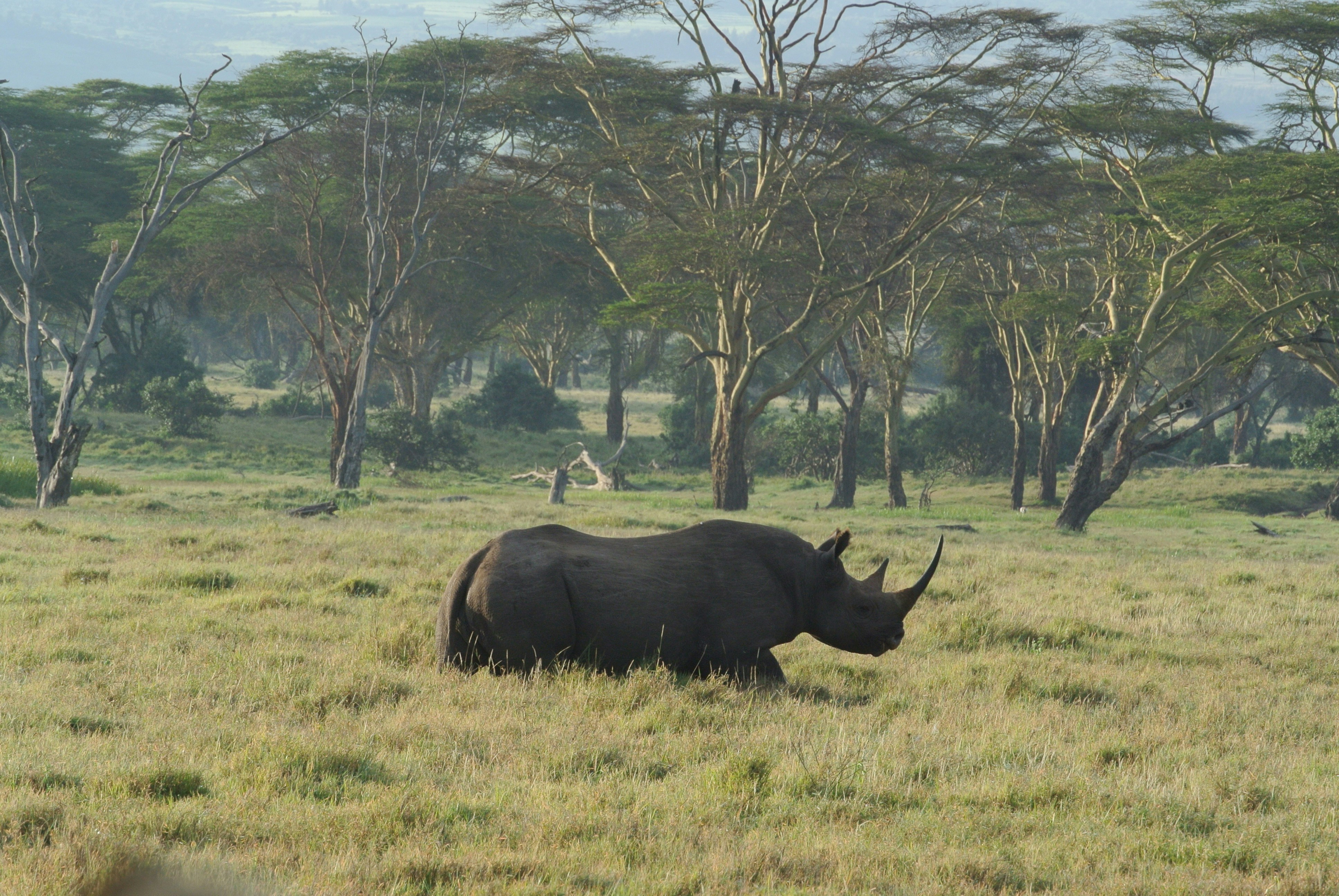
The Laikipia Plateau is one of Kenya's premier wildlife conservation areas, offering exclusive safaris with Grevy's zebra, wild dogs, and both rhino species in a crowd-free setting.
The Masai Mara is Kenya's most celebrated safari destination, offering the legendary Great Wildebeest Migration and year-round big-cat sightings in a pristine savanna ecosystem.
Nanyuki sits on the equator at the foot of Mount Kenya, offering access to exclusive Laikipia game ranches and the world-renowned Ol Pejeta Conservancy.
Mosi-oa-Tunya — the Smoke that Thunders — is often cited as the largest curtain of falling water on Earth, framed by rainforest, gorges and adrenaline adventure.
Divundu sits where the Kalahari meets the Okavango River, a lush gateway to Popa Falls, Bwabwata National Park and the Mahango Game Reserve's elephant herds.
Rundu, Namibia's woodcarving capital, sits on the Kavango River opposite Angola, offering river cruises, riverside lodges and access to the Zambezi region.
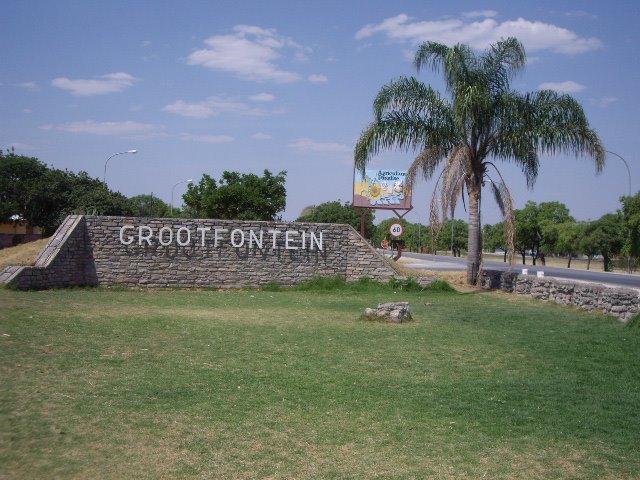
Mariental is the agricultural hub of southern Namibia's Hardap region, a convenient stop near Hardap Dam and the gateway south to the Kalahari and Fish River Canyon.
Walvis Bay's flamingo-filled lagoon, playful seals and dolphins, and the towering Dune 7 make this working harbour town a highlight of Namibia's coast.
Cape Cross protects one of the world's largest Cape fur seal colonies, viewed from boardwalks along Namibia's wild Skeleton Coast.
Henties Bay is Namibia's beloved angling hub on the Skeleton Coast, known for surf fishing, lichen fields and easy access to seal colonies and shipwrecks.
Okonjima is home to the AfriCat Foundation, offering guided leopard and cheetah tracking amid the rugged Omboroko Mountains near Otjiwarongo.
Damaraland's dramatic desert mountains are home to free-roaming desert-adapted elephants, black rhino, and iconic sites like Twyfelfontein and Brandberg.
Okahandja's famous woodcarvers' market and deep Herero and Nama heritage make it a worthwhile stop just north of Windhoek.
Omaruru is the Erongo region's arts and lodging hub, set beneath dramatic granite mountains and rich in galleries, crafts and colonial-era history.
Namibia's largest dam, Hardap offers boating, fishing, game viewing and excellent birdlife on its shores near Mariental.
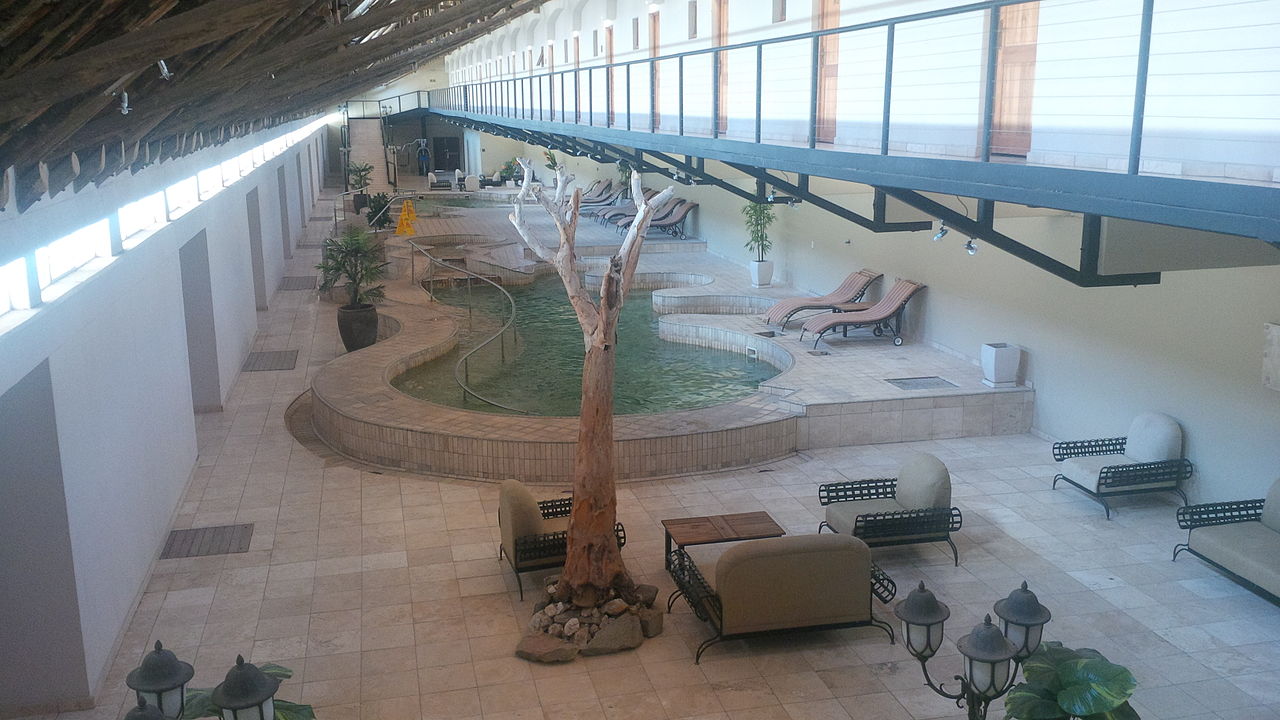
Ai-Ais Hot Springs offers soothing mineral pools at the dramatic southern end of the Fish River Canyon hiking trail.
Just 18km from Windhoek, Daan Viljoen offers easy hiking trails through highland bush with oryx, kudu, zebra and birdlife.
Savuti is a legendary wildlife theatre within the Chobe ecosystem, famed for dramatic lion-elephant dynamics and concentrated dry-season game viewing.
Selinda Reserve links the Okavango Delta and Linyanti via the Selinda Spillway, renowned for high densities of African wild dog and exclusive, low-density safaris.
The Okavango Panhandle around Shakawe offers renowned birding and fishing along the Okavango River's perennial upper channel, a quiet gateway to the Delta.
Botswana's historic gold-rush city and second-largest urban centre, Francistown serves as a key gateway to the northeast and the Tuli Block.
Zambia's premier safari park and birthplace of the walking safari, famed for exceptional leopard density and the wildlife-rich Luangwa River.
Zambezi River floodplain opposite Mana Pools, celebrated for canoe safaris, elephant river crossings and ferocious tiger fishing.
Zambia's historic tourism gateway to Victoria Falls, blending colonial-era heritage with Zambezi River adventure activities.
The Zambian national park guarding Victoria Falls, with Devil's Pool, Knife-Edge Bridge views and white-water rafting in Batoka Gorge.
One of Africa's largest national parks, spanning the Kafue River and the wildlife-rich Busanga Plains with diverse antelope and predators.
Zambian lakeside resort town on the world's largest reservoir by volume, known for houseboating and prolific tiger fishing.
Remote, walking-safari-only wilderness north of South Luangwa, home to Zambia's reintroduced black rhino population.
Remote western Zambia grassland hosting Africa's second-largest wildebeest migration and the Lozi Kuomboka ceremony region.
Small park famous for the world's largest mammal migration — millions of straw-coloured fruit bats gathering each October to December.
Vast community-owned wetland system famed for the rare shoebill stork and enormous herds of endemic black lechwe antelope.
Zimbabwe's largest national park, famed for vast elephant herds, pumped waterholes and strong lion and wild dog populations.
A UNESCO World Heritage wilderness on the Zambezi floodplain, celebrated for walking safaris and canoe trails among elephant, hippo and crocodile.
A granite wilderness near Bulawayo, famed for San rock art, on-foot rhino tracking and Cecil Rhodes' grave at World's View.
Zimbabwe's original lakeside resort town on Lake Kariba, the world's largest reservoir by volume, known for houseboating and tiger fishing.
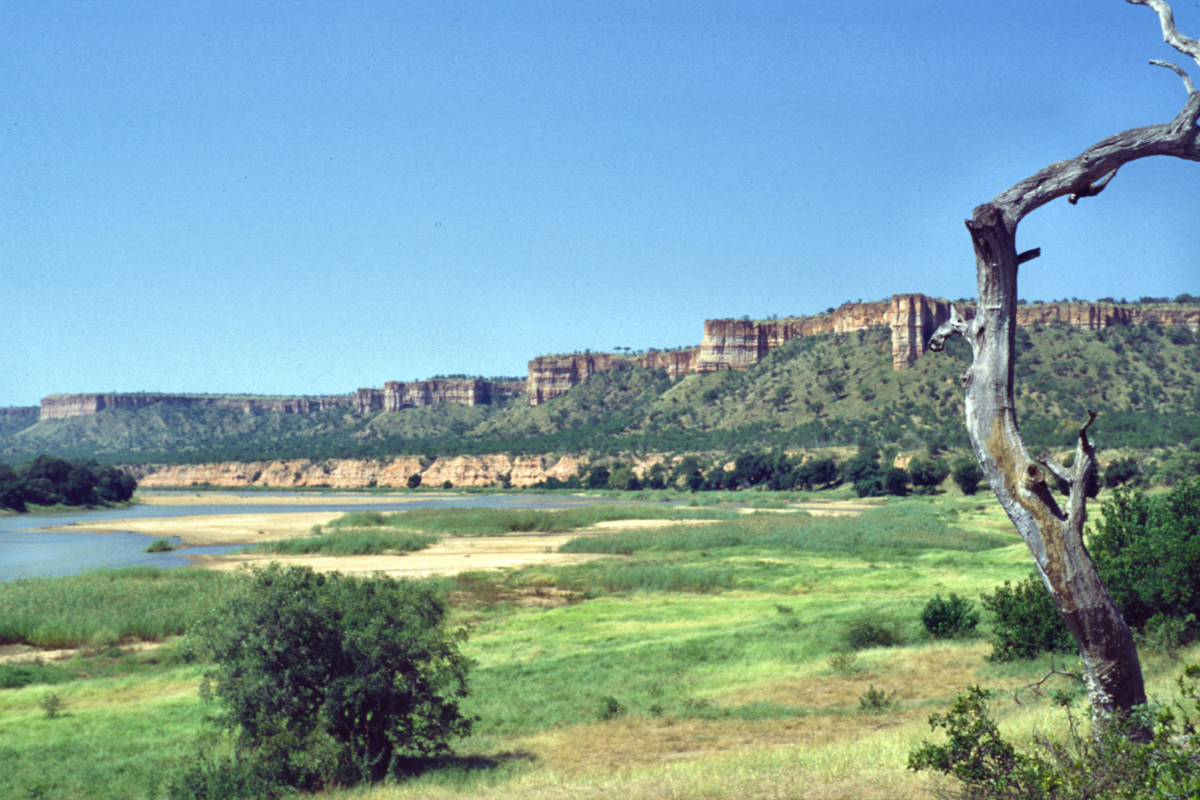
A remote, elephant-rich wilderness in southeastern Zimbabwe, famed for the towering Chilojo Cliffs and the Great Limpopo Transfrontier Park.
The UNESCO-listed stone ruins of a medieval African capital near Masvingo, and the source of Zimbabwe's name and national emblem.
Zimbabwe's cool, mountainous border region — Nyanga, Vumba and Chimanimani — known for tea plantations, waterfalls and hiking trails.
Zimbabwe's high-altitude capital, known for jacaranda-lined avenues, a lively arts scene, and its role as the country's main gateway city.
Zimbabwe's second city, known for its railway heritage, Natural History Museum, and position as gateway to Matobo Hills and Hwange.
The Serengeti's endless plains host the Great Migration and some of Africa's highest densities of lion, leopard, and cheetah.
The world's largest intact volcanic caldera, with an extraordinary concentration of wildlife including black rhino in a self-contained ecosystem.
A soda lake beneath the Rift Valley escarpment, famed for tree-climbing lions and spectacular flamingo flocks.
Baobab-studded Tarangire holds the largest elephant concentration in northern Tanzania, especially along its namesake river in the dry season.
Africa's highest peak and the world's tallest free-standing mountain, climbed via multiple routes through five distinct climate zones.
Tanzania's spice island, pairing historic Stone Town architecture with white-sand beaches and coral reefs.
Africa's largest national park, with Rufiji River boat safaris, dense hippo and crocodile populations, and important wild dog populations.
Tanzania's largest national park, remote and wild, with exceptional lion and buffalo populations amid baobab-studded hills.
Tanzania's safari capital beneath Mount Meru, the essential gateway to the northern circuit and Kilimanjaro.
A striking red alkaline lake beneath Ol Doinyo Lengai volcano, the primary breeding ground for East Africa's lesser flamingos.
Amboseli pairs iconic views of snow-capped Kilimanjaro with some of Africa's largest free-ranging elephant herds roaming ancient volcanic plains.
A fenced soda-lake sanctuary famed for flamingo flocks and thriving black and white rhino populations beneath Baboon Cliff's escarpments.
A rugged northern reserve along the Ewaso Ng'iro River, home to the rare Samburu Special Five and vibrant Samburu culture.
Vast open plains famed for red-dust elephants, the Galana River's Lugard Falls, and some of Kenya's biggest herds in true wilderness.
A scenic park of volcanic hills and lava fields centered on Mzima Springs, with its famous underwater hippo and fish viewing chamber.
A dazzling white-sand beach on Kenya's south coast, framed by coral reefs, kite-surfing winds, and pockets of coastal monkey forest.
Kenya's historic coastal city, where Swahili-Arab Old Town architecture surrounds the UNESCO-listed Fort Jesus on a bustling Indian Ocean harbor.
A freshwater Rift Valley lake near Nairobi, famed for hippo-filled boat safaris and rare walking safaris on Crescent Island.
Kenya's capital and safari gateway, home to Nairobi National Park's skyline backdrop, the Giraffe Centre, and the Sheldrick Elephant Orphanage.
A UNESCO-listed, car-free Swahili town of coral-stone architecture, dhow sailing, and pristine beaches on Kenya's northern coast.
A misty highland forest park famed for tree-hotel night game viewing over floodlit waterholes and dramatic mountain waterfalls.
South Africa's flagship safari park, offering exceptional Big Five game viewing across an extensive network of roads, rest camps, and luxury lodges.
An unfenced private reserve bordering Kruger, renowned for exceptional leopard sightings and ultra-luxury lodges.
Iconic coastal city beneath Table Mountain, home to the V&A Waterfront, Robben Island, and Cape Point.
The Stellenbosch and Franschhoek wine region, with historic Cape Dutch architecture and world-class vineyards.
A scenic coastal stretch through the Tsitsikamma forests, Knysna lagoon, and the beaches of Plettenberg Bay.
A world-renowned land-based whale watching town on the Western Cape coast, famous for close southern right whale sightings.
A malaria-free Big Five reserve on the Botswana border, known for family-friendly luxury lodges and wild dog sightings.
A malaria-free Eastern Cape park famed for its dense elephant population and Big Seven potential, adding whales and sharks offshore.
A KwaZulu-Natal reserve where Operation Rhino rescued the white rhino from extinction, offering outstanding rhino tracking.
A UNESCO World Heritage mountain range with dramatic peaks, ancient San rock art, and renowned hiking trails.
South Africa's largest city and major international gateway, home to the Apartheid Museum, Soweto, and Constitution Hill.
A subtropical Indian Ocean city with Golden Mile beaches and a vibrant blend of Zulu and Indian cultural heritage.
Gweta is a small little village 205 km outside Botswana’s tourism capital, Maun and 100 km from Botswana’s transport capital, Nata. Although Gweta is a relatively small village, the city doesn’t let its size get in the way of greatness. It is considered to be the gateway to the gigantic Makgadikgadi pans and has become renowned for its monumental Baobabs and being in proximity to the second largest migration of wildlife in the world.